
Alpine Seasons of Calm and Renewal
Cabins Carved from Silence
Designing for Snow and Sun
Orientation decides how winter light crosses the table and how summer shadows cradle the eaves. Modest roof pitches shed snow without drama, overhangs temper glare, and thermal mass steadies rooms against nightly drops. Cross‑ventilation opens a cool path for afternoons, while window seats gather low sun like pocket stoves. These are not grand gestures but caring blueprints: a porch angled from prevailing storms, a boot room that catches meltwater, and a threshold that slows you with gratitude.
Soundproofing That Feels Like a Hug
Silence grows from materials with memory: dense wood fiber, cork panels, wool batting, and triple‑glazed panes that soften the world to a reassuring hush. Doors close with a warm thud rather than a snap, and stair treads breathe softly under socks. The quiet is medicinal, easing breath and lengthening attention. You hear exactly what matters: the stove ticking as it cools, tea shifting in a cup, distant bells counting time, and your own pace settling into something kind.
Morning Light Rituals
Dawn through alpine glass arrives like practiced kindness, pooling on floors where you stretch, write, and listen. Keep the kettle small to honor the wait, and let windows fog then clear as breath finds rhythm. Notice resin in the beams and how the first beam of warmth crosses your notebook like an invitation. These unhurried minutes, before tasks and trails, often shape the whole day: a steadier stride, calmer conversations, and a willingness to meet cold water with patience and focus.
Cold Water, Clear Mind

A Gentle Protocol for Beginners
Mountain Safety and Respect
Stories from the Shoreline
Energy That Leaves Footprints Only in Snow




Seasons as Guides
Nourishment from Alpine Kitchens

Stewardship and Connection
Leave It Better Practices
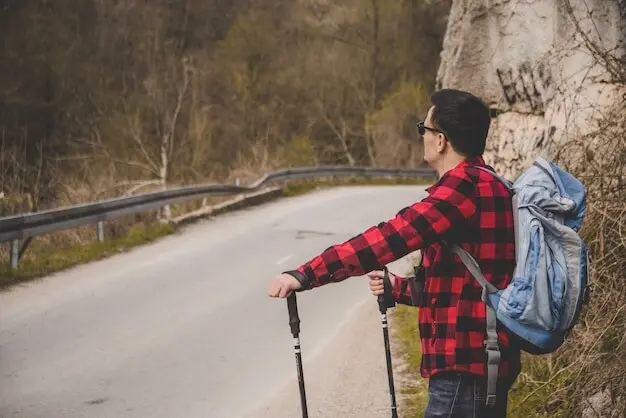
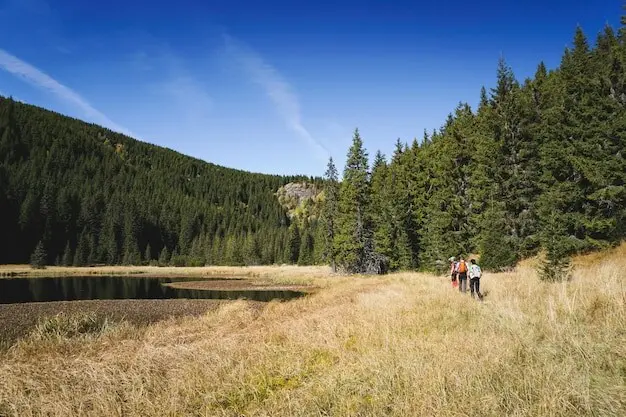
Pack it in, pack it out, and shrink what you carry by choosing reusables. Keep greywater respectful, compost where systems allow, and treat outhouses as shared tools, not burdens. Tread lightly on spring meadows and stay on marked routes to protect roots and nests. Quiet hours are not rules but gifts. Your rituals should disappear without traces, leaving only warmer neighbors, cleaner surfaces, and a path that feels as fresh to tomorrow’s hiker as it did to you.
Listening to Local Wisdom
Ask wardens about changing snow patterns, elders about wind shifts that promise weather, and guides about subtle signs on ridge and stream. Trade certainty for curiosity. Many tips are small: how to store wood, when to open shutters, which paths carry afternoon thunder. These details save effort, heat, and worry. Listening builds relationships sturdier than gear, creating a net that catches small troubles before they spread. Wisdom, like warmth, travels best through hands, stories, and shared meals.
Share Your Journey and Stay Connected
Tell us what worked in your cabin, your best breathing cues beside ice, and the low‑impact habits that saved energy without stealing comfort. Leave questions for our next deep‑dive, subscribe for seasonal guides and checklists, and invite a friend who needs gentler days. Your comments help refine practices and surface local voices. Together we keep this conversation humble and useful, growing a circle of care that protects wild places while helping each of us feel more at home.
All Rights Reserved.